
The Weyling Blog

Photographing Classical Architecture

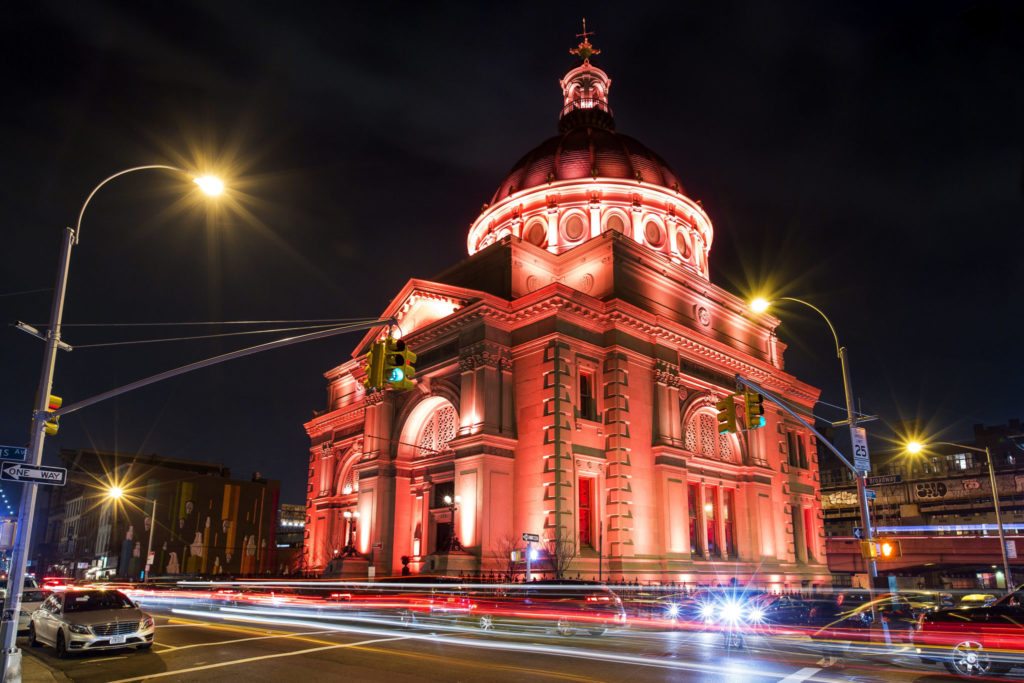
Having faced the challenges of photographing WEYLIN, for which we collaborated with Durston Saylor who took amazing pics, we highly recommend this new class at the Institute of Classical Architecture & Art. Photography plays an essential role in how architecture is perceived, studied, and presented. Every choice made by the photographer helps determine which architectural… Read More
Read More...

Pioneering Female Architect Julia Morgan

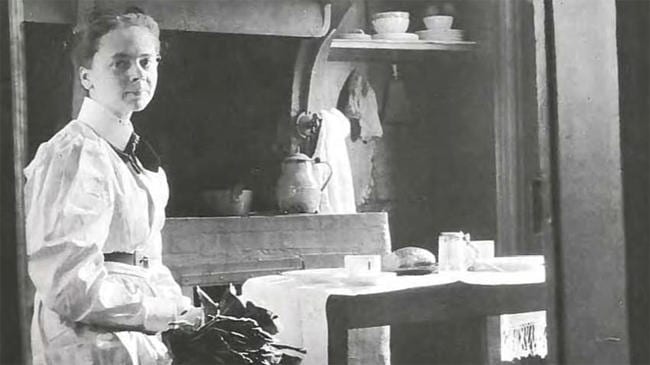
“There is nothing more dangerous than a happy man.” This is an incredibly powerful phrase I once read on a David Bowie interview. It took me years to understand it. At first, I thought dear David was referring to “being happy” as a powerful state that could lead and guide you through any situation; a… Read More

Read More...

New York – Buenos Aires Bound

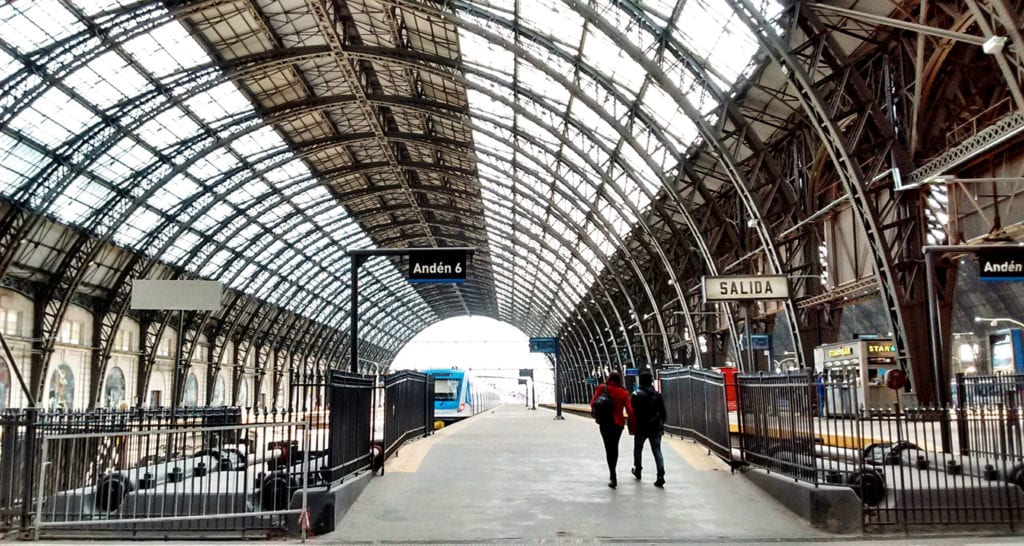
Back in the beginning of the 20th Century, a few decades after the Industrial Revolution took place, the world kept on “preparing for the future”. Two major and over the top train terminals were being built: Grand Central in New York City and Estación Retiro-Mitre in Buenos Aires. These two cities relate to each other… Read More

Read More...

The Elements of Classical Architecture: The Composite Order

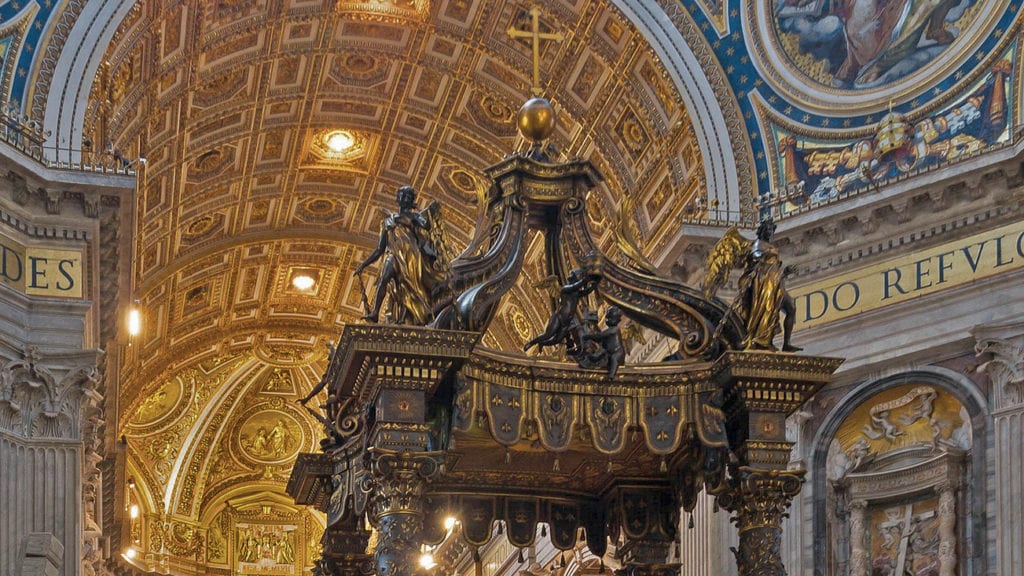
Saturday, February 9, 2019 9:00 AM – 2:30 PM With Mason Roberts at The Institute of Classical Architecture and Art Acting as a base to the wider canon of classical architecture, the five classical orders have been used since antiquity as a means of proportioning buildings in a harmonious way while simultaneously giving logic and… Read More

Read More...

Artisans go Artists in 1875

Along the line of thought about the differences between art and design, careers led by artists and designers; we shouldn’t forget those who actually played a “glue role” of getting both closer: The 19th Century artisans. It was the year Weylin’s doors were opened as The Williamsburgh Savings Bank, when artisans officially started being referred… Read More

Read More...

Beauty: Sagmeister & Walsh

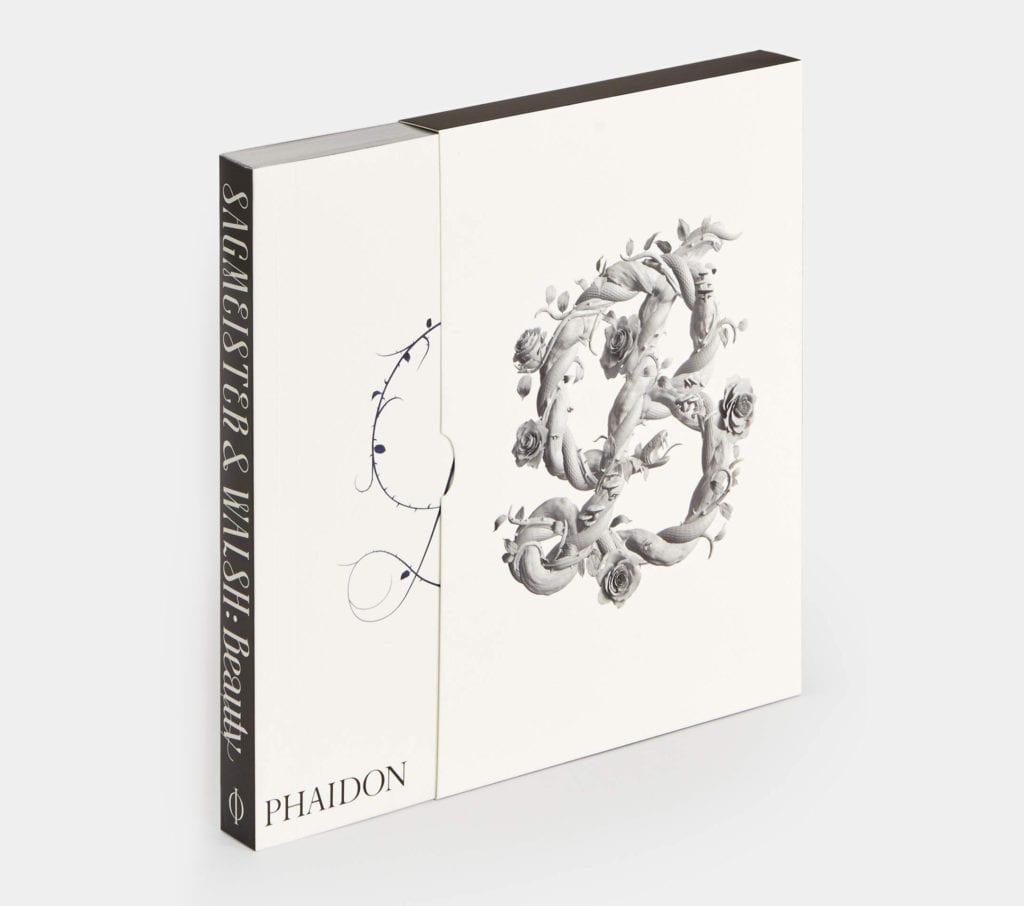
Some people say there is a fine line between art and design. Sometimes the so called “fine line” means you can barely see it and that those two fields are almost the same. In this case, it is true that the line is there but it’s not that fine. Everything is communication in its own… Read More

Read More...

Williamsburger

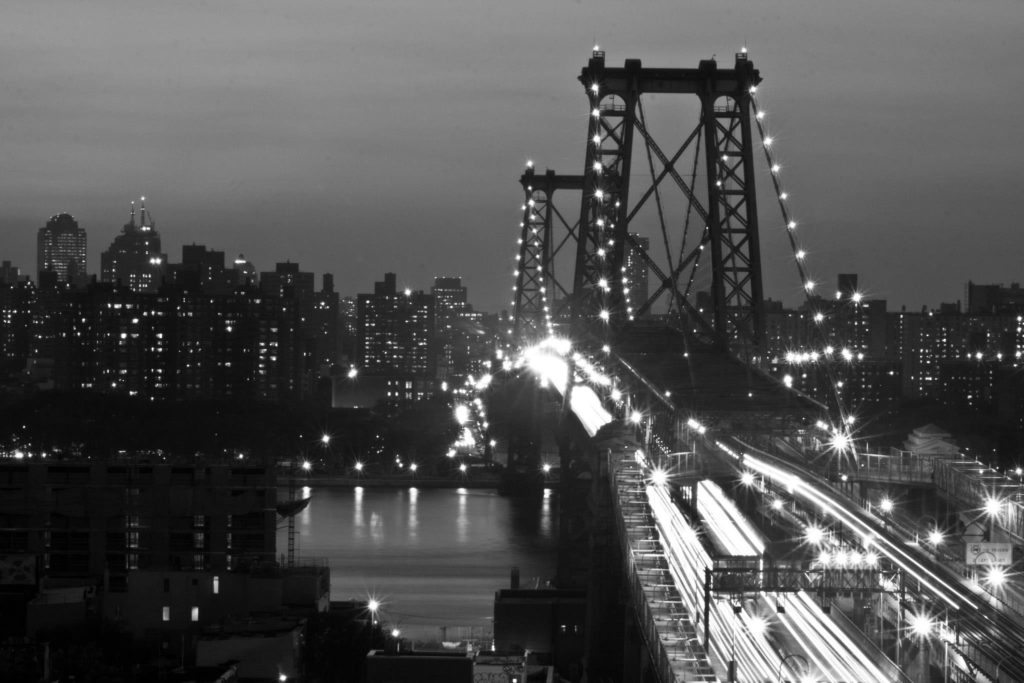
Williamsburg’s post-Civil War business boom and transportation improvements, such as widespread trolley service, brought renewed development to the neighborhood. Broadway became “the preferred address for monumental banks, the location of Williamsburg’s premier stores, the center for entertainment, and the nexus for most of Williamsburg’s ferry-going travels.”5 Broadway served as the main thoroughfare with the New… Read More

Read More...

“Flour Power”

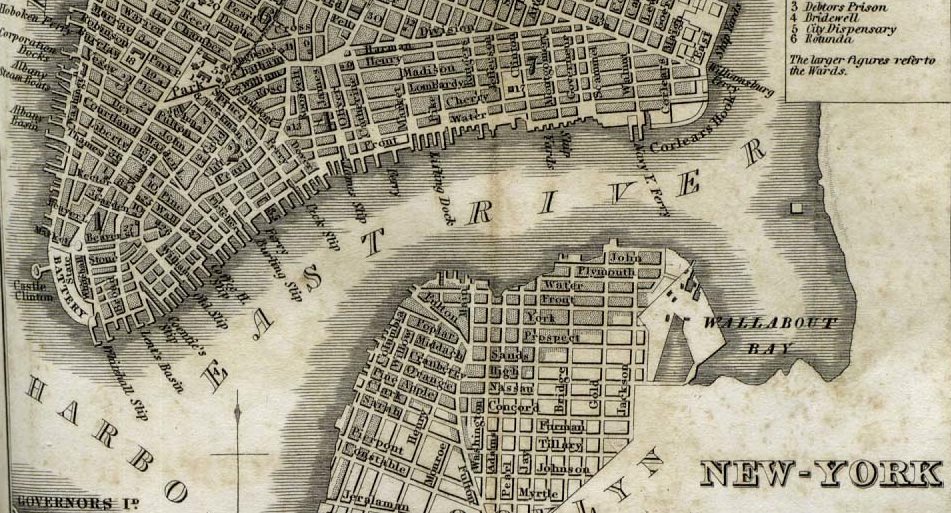
Prior to the arrival of Europeans, the land north of the East River was occupied by the Siwanoys, one of many groups of Algonquin-speaking Lenapes in the area. Those of the Lenapes who lived in the northern part of Manhattan Island in a campsite known as Konaande Kongh used a landing at around the current location… Read More

Read More...

It’s always been about…connection!

It maybe digital today, but it started way back in the past in other forms: paths, roads, trains…bridges.  There have been so many stories in the world about people who come from somewhere and go to nowhere, and viceversa; and especially of course in a city like our unique New York.  Now here’s a bit… Read More

Read More...

Architectural Features of Weylin

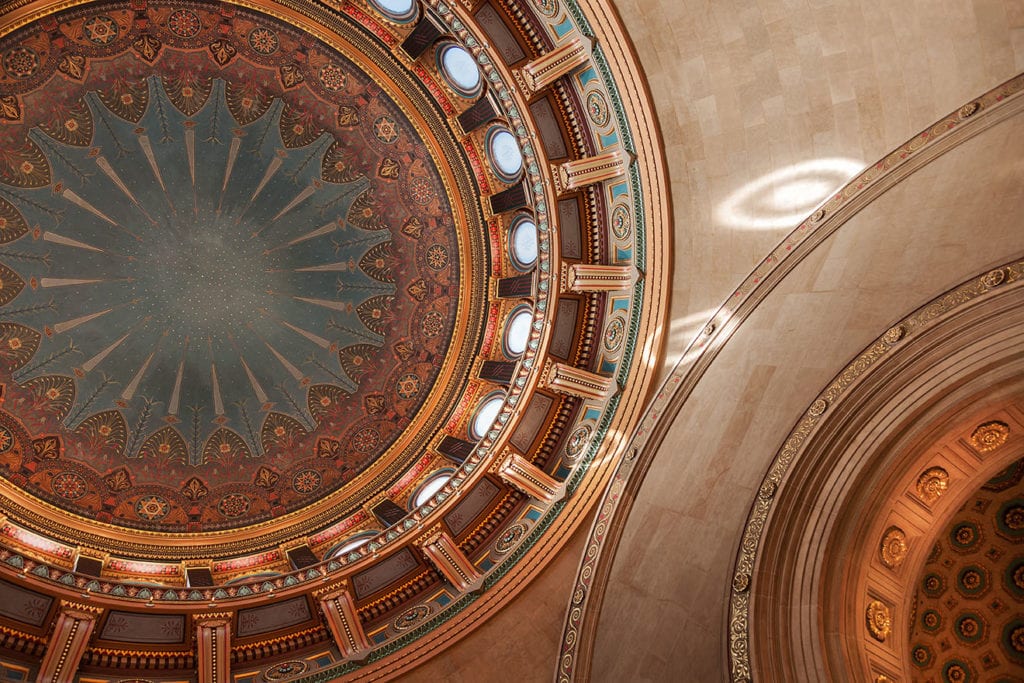
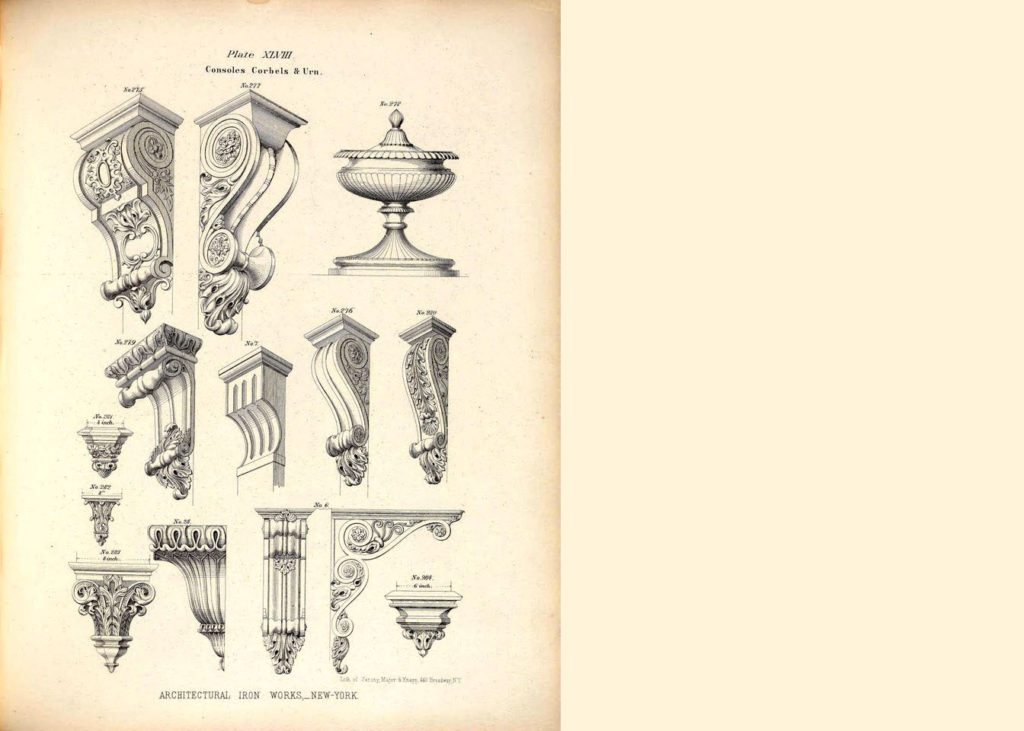
A console is more specifically an “S”-shaped scroll bracket in the classical tradition, with the upper or inner part larger than the lower or outer. Keystones are also often in the form of consoles. Whereas “corbel” is rarely used outside architecture, “console” is widely used for furniture, as in console table, and other decorative arts… Read More

Read More...