The Weyling Blog

Color: The Idle Designs Interview

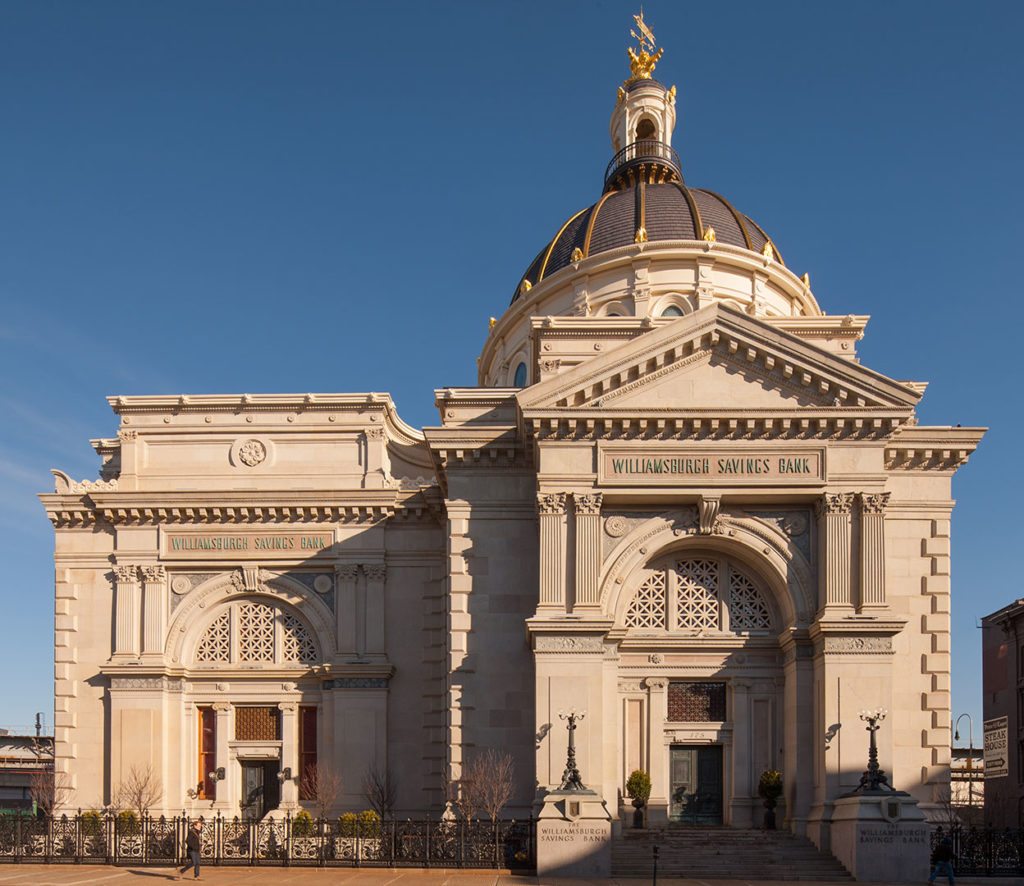
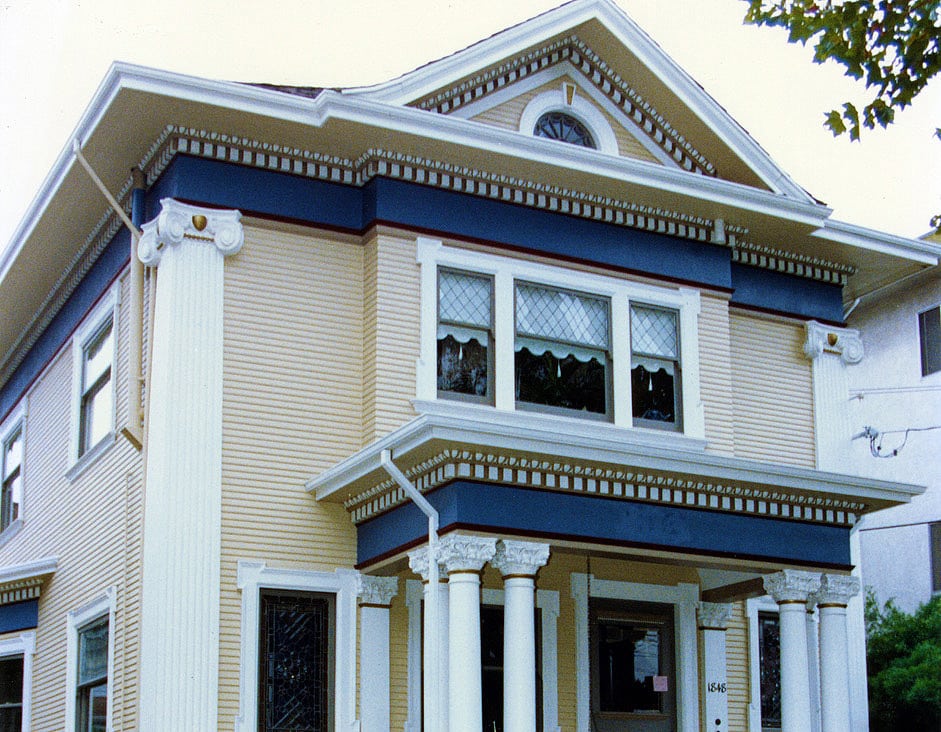
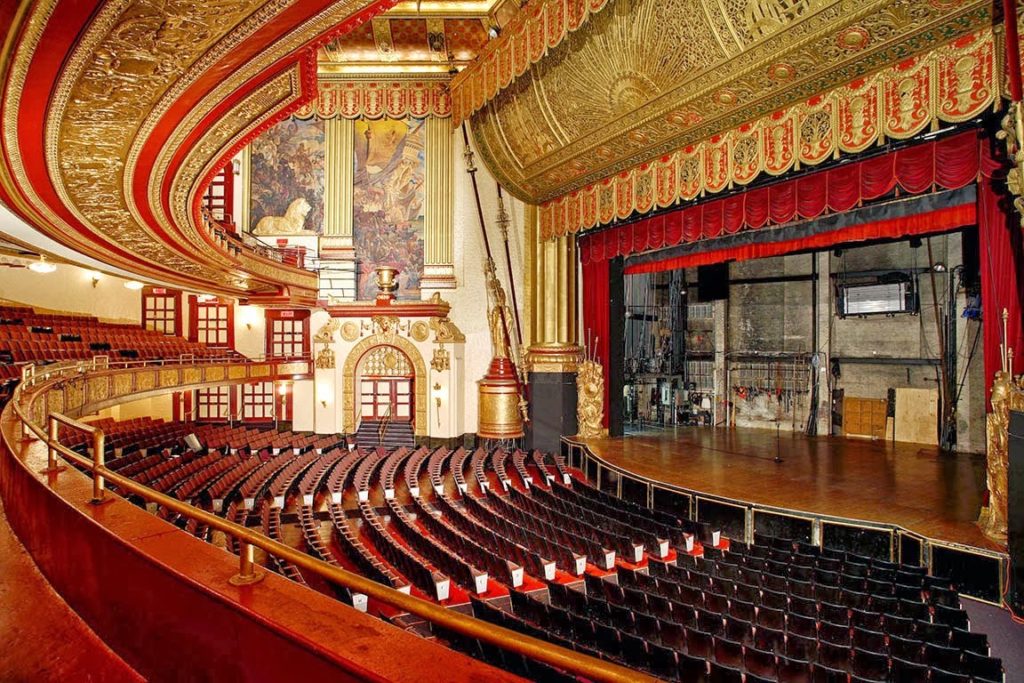
We are honored to have sat down to chat for a while with one of the masters in color on historic architecture and restoration! We know how subtle this process is by the Williamsburgh Savings Bank restoration process. So enjoy the words and inspiration by Stephen DeLacey Idle. Idle Designs. My name is Stephen DeLacey… Read More
Read More...

A Conversation with John Burgee

If you are a professional, a student, or simply love architecture, you cannot miss this film! The New York Premiere of A Conversation with John Burgee. Film Screening and Discussion with Robert A.M. Stern and Paul Goldberger, Moderated by Duncan Stroik. Wednesday, June 13, 2018 6:30 PM Reception, 7:00 PM Screening, 8:15 PM Discussion Location: The General Society… Read More

Read More...

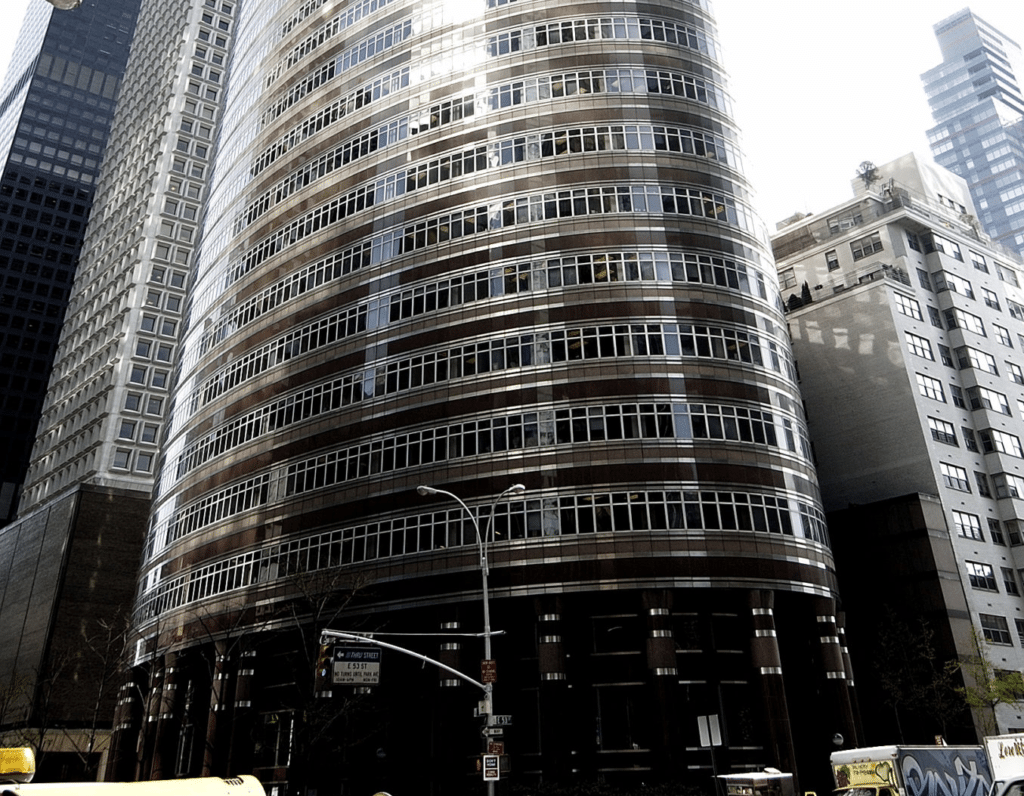
“The Lucy” goes to Jack Beyer

There is something that happens a lot when you connect with New York and frequently visit places and venues: you think who is the one behind such an intense preservation job? Is it the city? Is it a City Hall department? Is it private?…It’s a lot of different combined facts but without a doubt there… Read More

Read More...

“Flour Power”

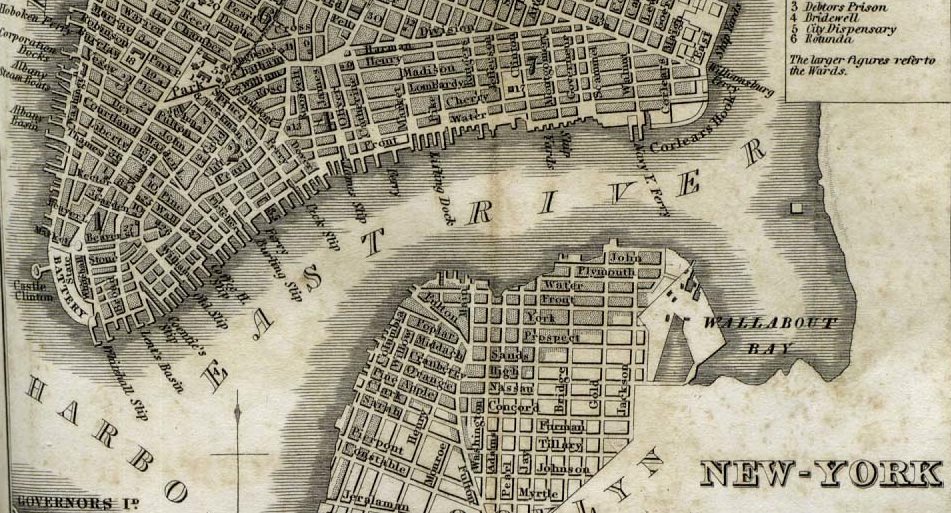
Prior to the arrival of Europeans, the land north of the East River was occupied by the Siwanoys, one of many groups of Algonquin-speaking Lenapes in the area. Those of the Lenapes who lived in the northern part of Manhattan Island in a campsite known as Konaande Kongh used a landing at around the current location… Read More

Read More...

It’s always been about…connection!

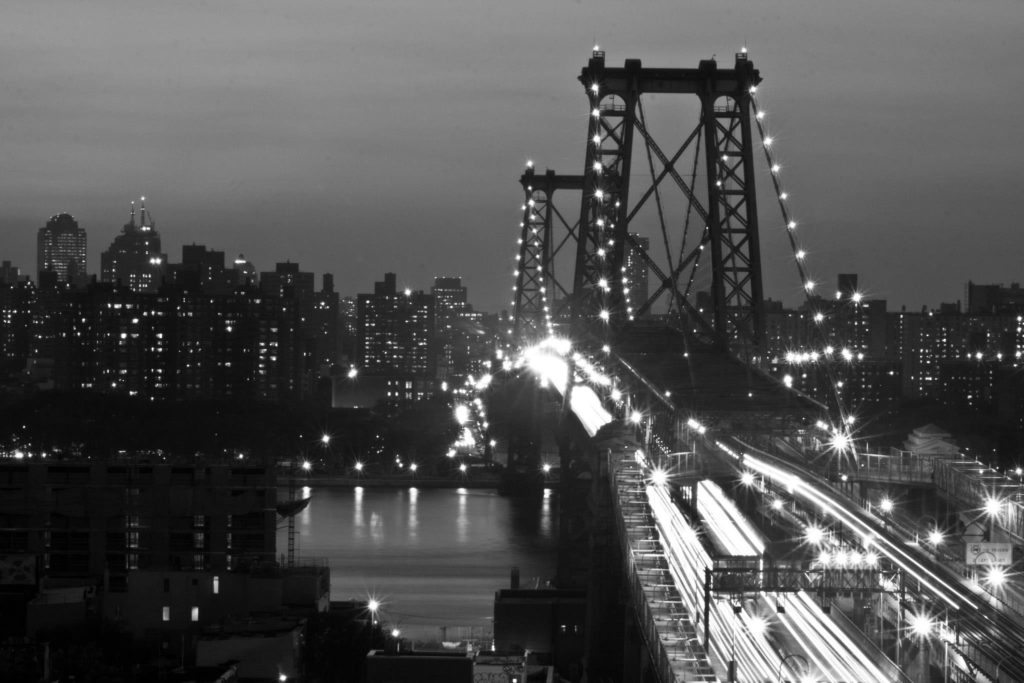
It maybe digital today, but it started way back in the past in other forms: paths, roads, trains…bridges.  There have been so many stories in the world about people who come from somewhere and go to nowhere, and viceversa; and especially of course in a city like our unique New York.  Now here’s a bit… Read More

Read More...

A Bit of Williamsburg’s History

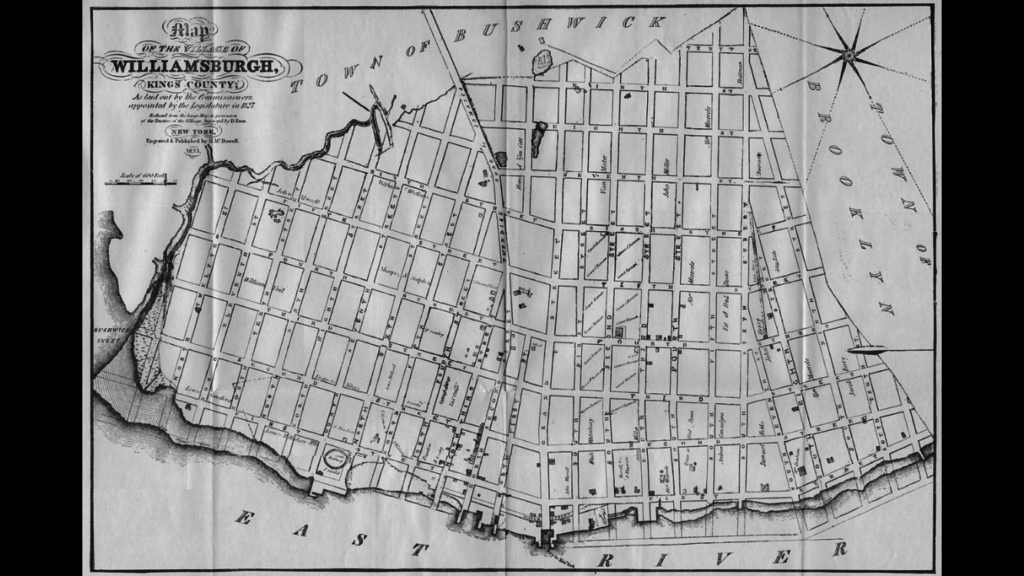
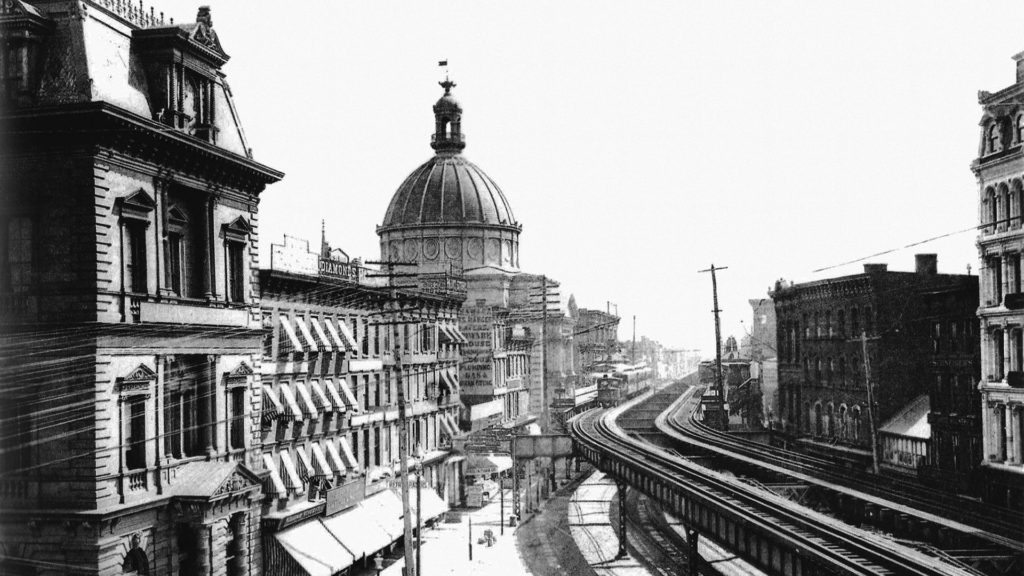
In 1638, the Dutch West India Company first purchased the area’s land from the local Native Americans. In 1661, the company chartered the Town of Boswijck, including land that would later become Williamsburg. After the English takeover of New Netherland in 1664, the town’s name was anglicized to Bushwick. During colonial times, villagers called the… Read More

Read More...

Architectural Features of Weylin

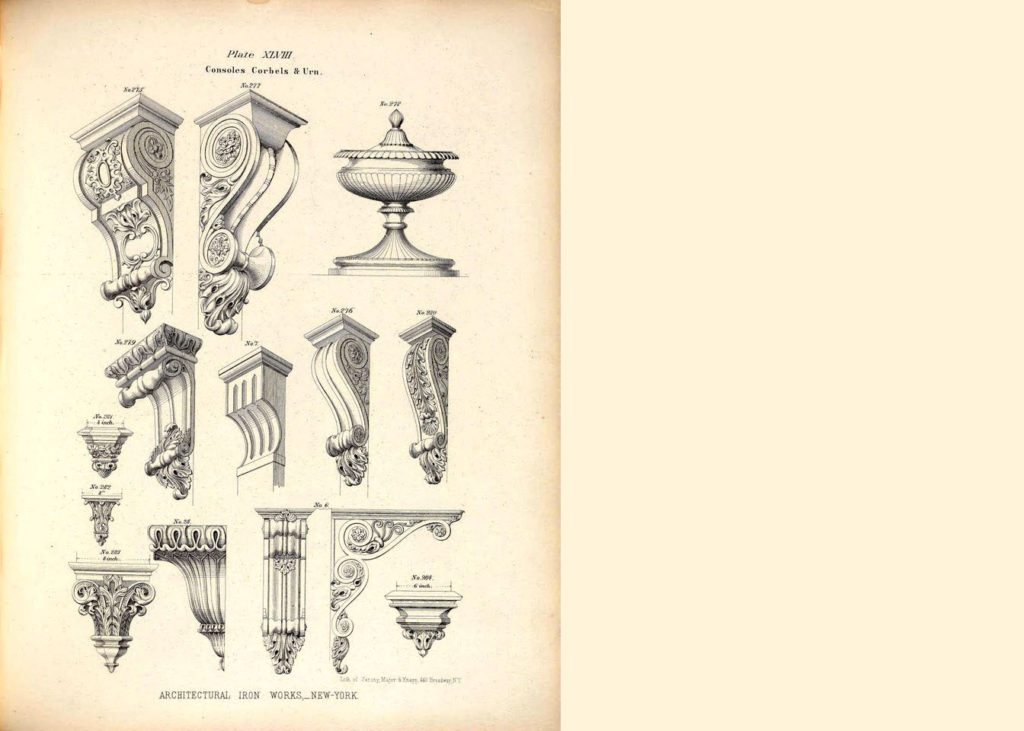
A console is more specifically an “S”-shaped scroll bracket in the classical tradition, with the upper or inner part larger than the lower or outer. Keystones are also often in the form of consoles. Whereas “corbel” is rarely used outside architecture, “console” is widely used for furniture, as in console table, and other decorative arts… Read More

Read More...

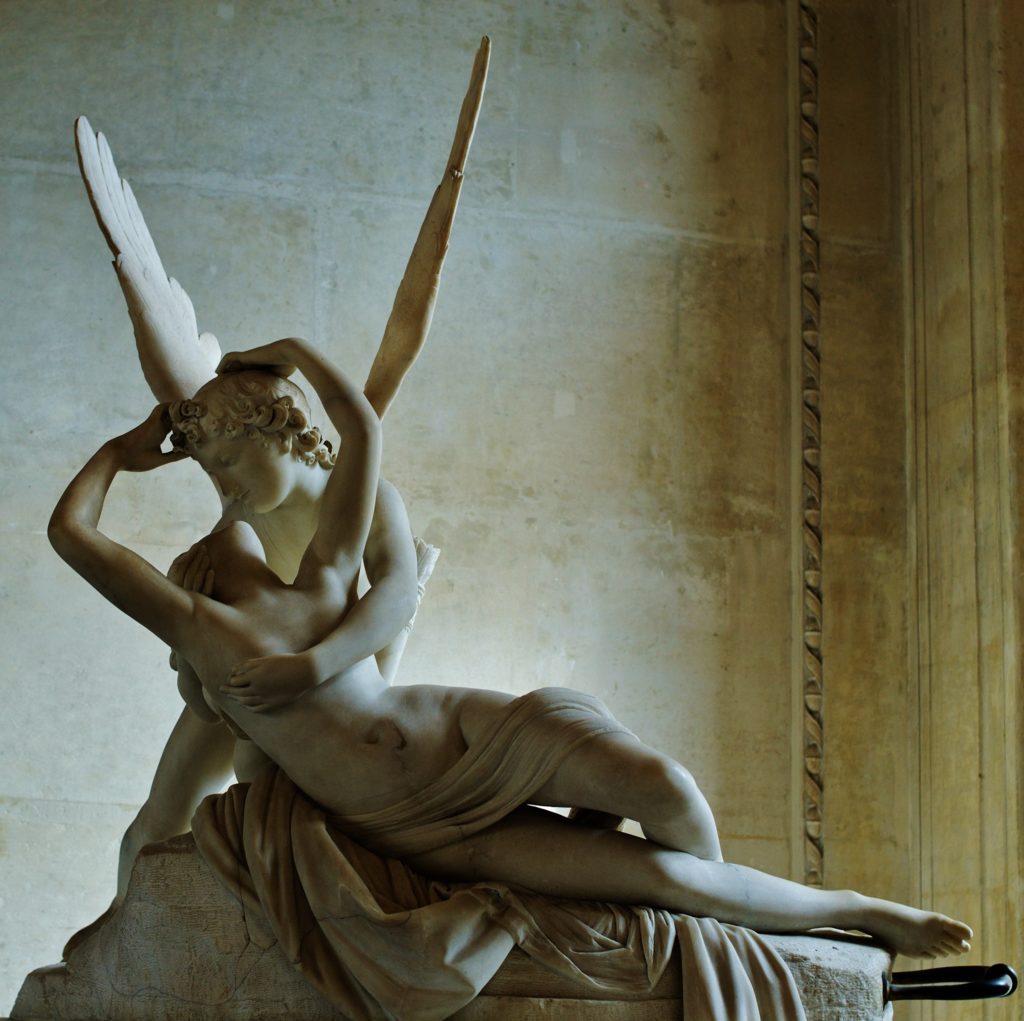
Introduction to Neoclassicism

Neoclassicism is a revival of the styles and spirit of classic antiquity inspired directly from the classical period, which coincided and reflected the developments in philosophy and other areas of the Age of Enlightenment, and was initially a reaction against the excesses of the preceding Rococo style. While the movement is often described as the… Read More

Read More...

Introduction to Beaux-Arts

The style expresses the academic neoclassical architecture taught at the École des Beaux-Arts in Paris. It is the cumulative product of two-and-a-half centuries of instruction under the authority, first, of the Académie Royale D’Architecture (1671–1793), then, following the French Revolution of the late 18th century, of the Architecture section of the Académie des Beaux-Arts. The… Read More

Read More...

Architect George B. Post

Mr. George Browne Post was our architect who won the contest to design Weylin back in 1870, when it was built to open and work as The Williamsburg Savings Bank, making Williamsburg become a classic and strong neighborhood, right next to where the bridge would be planned and built; and also very close to one… Read More

Read More...